
During the Wyoming Legislature’s “interim” session this summer and fall, small groups of lawmakers met as committees to discuss specific issues and to craft bills to sponsor for the 2026 budget session, which starts Feb. 9.
Better Wyoming volunteers have engaged with a number of these issues, often attending or testifying at meetings, writing op-eds, and contacting lawmakers.
In a series of blog posts, we bring folks up to date with where committees landed and what folks can expect during the session.
ISSUE: Wyoming has inadequate healthcare services for pregnant women.
COMMITTEE: Joint Labor Health Committee
+
OVERVIEW
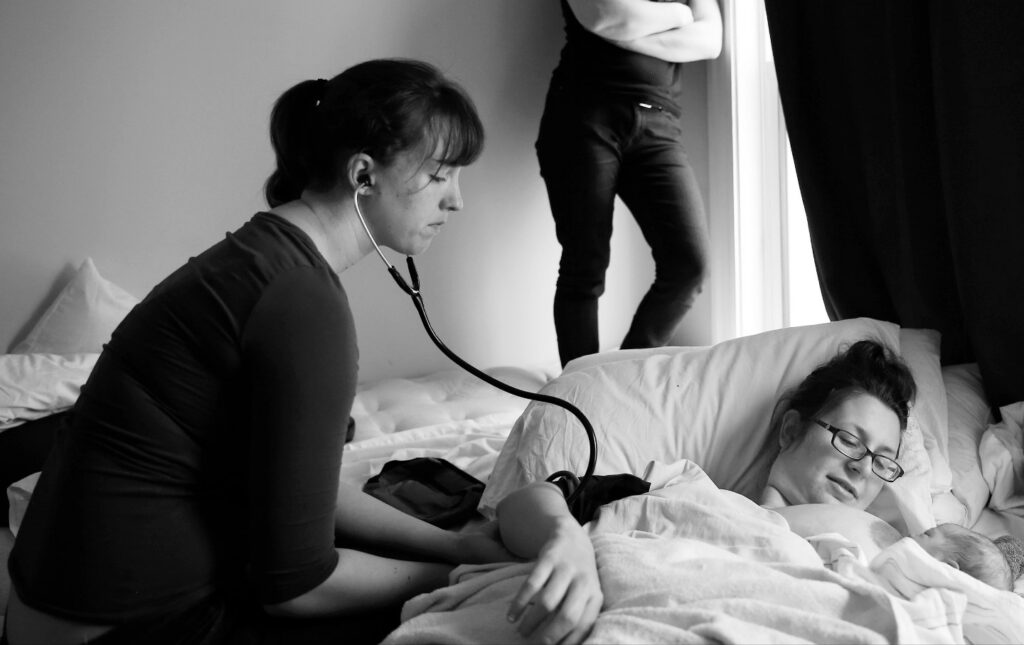
Finding solutions to reduce Wyoming’s “maternity deserts” — areas without obstetrical services or birth centers, and no obstetricians, gynecologists or certified nurse midwives — was the top interim priority of the Joint Labor, Health and Social Services Committee.
More than 20 percent of Wyoming women live in such areas. Five hospitals in the state have closed their maternity wards in the past few years, the most recent in Wheatland last October.
A Wyoming Health Department assessment found that nearly half of the state’s counties lacked a practicing OB-GYN in 2024. The State Scorecard on Women’s Health and Reproductive Care ranked Wyoming 42nd that same year. Wyoming has a greater risk of maternal deaths and adverse newborn outcomes than all neighboring states.
In rural areas without maternity wards or birth centers, pregnant women may drive 100 miles or more to Wyoming facilities or out of state. During inclement weather, some women have even had to deliver their babies on the side of the road.
LEGISLATIVE ACTION
During the 2025 Interim Session, the Joint Labor Health Committee killed — with virtually no debate — a bill that would offer the best chance to actually improve maternal healthcare. The measure would have increased Medicaid reimbursements for labor and delivery services and provided more revenue to keep existing maternity wards open and retain OB-GYN physicians.
Gov. Mark Gordon included increased funding for maternal healthcare providers in his budget proposal, as well, but the Joint Appropriations Committee cut it from the budget that will go before the full Legislature this month.
Meanwhile, the Labor Health Committee voted 10-2 to sponsor a harmful bill to protect fake “crisis pregnancy centers” that are disguised as medical facilities. The proposal would effectively outlaw the regulation of anti-abortion crisis pregnancy centers, even allowing the groups to sue state leaders who try to stop them.
Katie Knuter, executive director of Wellspring Health Access in Casper, said the bill “takes away the Legislature's ability and time to actually work on maternal health concerns in the state.”
The American College of Obstetricians & Gynecologists states on its website that pregnancy centers “use false and misleading information, emotional manipulation, and delays to divert pregnant people from accessing comprehensive and timely care from patient-centered, appropriately trained, and licensed medical professionals.”
A second bill the committee sponsored would provide some help by authorizing freestanding birth centers to be covered by Medicaid for deliveries handled by midwives. It’s expected to be used for uncomplicated deliveries. Currently, one such center is helping patients in Evanston, where the hospital closed its maternity ward. The bill would allow this and similar centers to receive Medicaid payments.
WHAT'S NEXT?
After the Wyoming Supreme Court ruled that abortion is healthcare and laws banning abortions are unconstitutional, anti-choice lawmakers will certainly push the crisis pregnancy center bill with increased fervor as part of their attack on reproductive rights.
Meanwhile, there will likely be efforts to restore Department of Health funding that Gov. Mark Gordon proposed in his budget but that the Joint Appropriations Committee cut. Individual lawmakers can propose amendments from the chamber floors as both the House and Senate craft their own versions of the budget during the upcoming session, which starts Feb. 9.