What do our property taxes pay for, anyway? Part 3: Land and Water
Most of the things that make our communities liveable are supported, at least in part, by property taxes. Property taxes are Wyoming’s only reliable, predictable source of funding for many of these community services. With Proposition #1 appearing on your ballot this November, it’s important to know how these property taxes are used.
If you’d like more information on this important source of revenue for your community, we’ve put together THIS COMPREHENSIVE FAQ!
This series will explore what, exactly, your community’s property taxes pay for.
PART 3: Land and Water
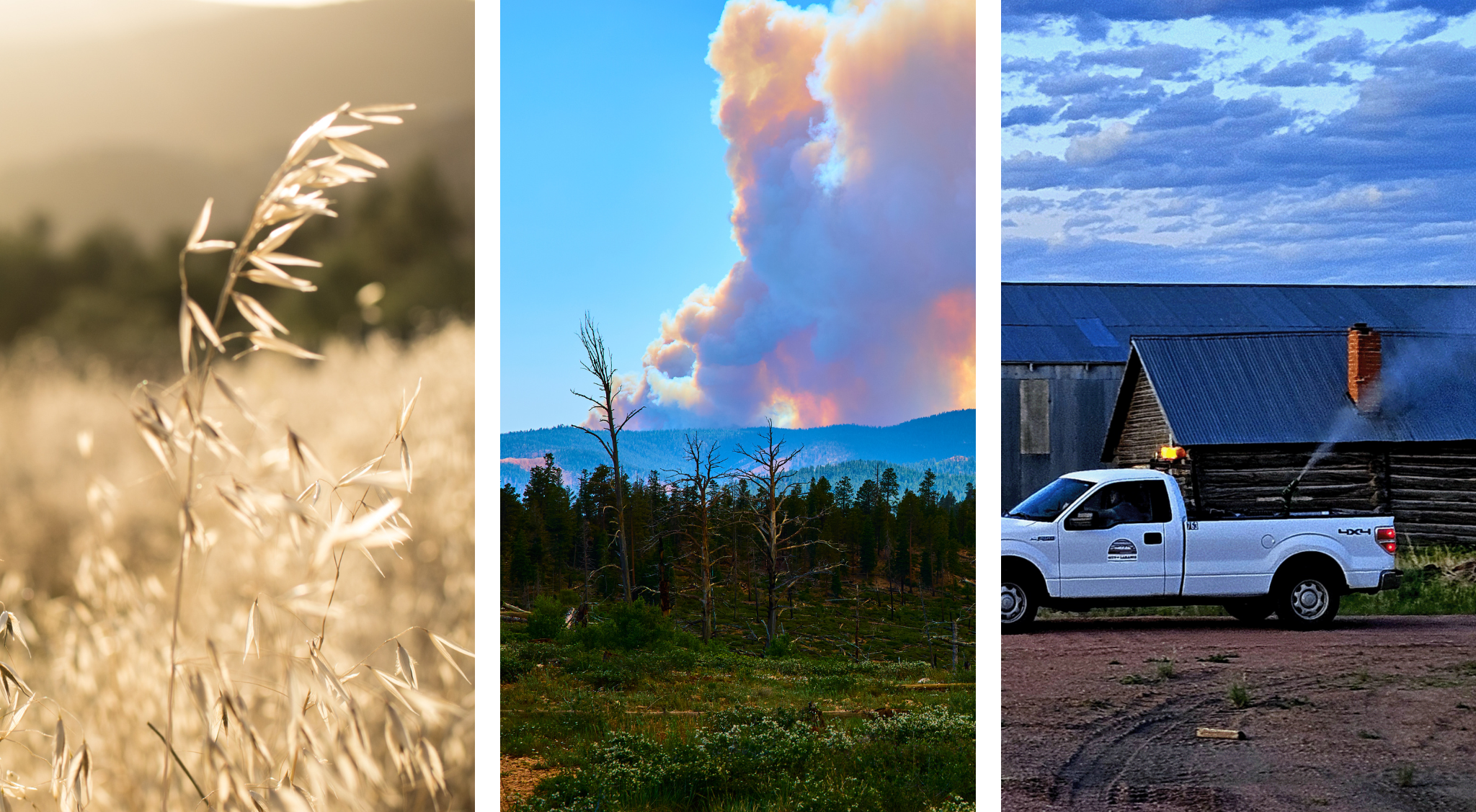
If a field crew from your local weed and pest district has ever removed invasive cheatgrass from your local greenbelt, or your local conservation district managed an eroding creek bank and, in turn, saved your home, you can thank property taxes.
Weed and pest districts and conservation districts are just two of over 650 special districts in Wyoming. Others include rural fire protection districts. More than 2,350 of your neighbors serve on their boards. These districts receive an important portion of their funding from residential property taxes. Each special district has one specific job, and several of them play a vital role in protecting Wyoming’s land and wildlife.
Weed and Pest Districts
One special district in all communities is the weed and pest special district. Weed and pest is a property-tax-funded special district that serves as the first line of defense in protecting agricultural producers, landowners, and the economy from devastating losses. These districts set priorities for their county’s local needs, such as mosquito control or grasshopper and prairie dog management.
Property tax revenues are also necessary to unlock further grant funding, because many grants require matching funds. According to the Wyoming Weed & Pest Council, tens of millions of dollars in funding from other sources can’t be accessed without this base district tax.
For some special districts, property taxes are often the only revenue source. So even a small loss in property tax revenue can be hard to make up. Since these districts don’t receive sales tax, they have no backup plan if this tax base is lost.
A University of Wyoming study found that just 10 invasive species cost the state $83.5 million a year. If we lose our property tax-funded special-district programs like weed and pest, the overall cost could rise to $351.8 million annually. If we don't actively manage these species, 52 million acres across the state are at risk.
Cuts have already reached many of Wyoming’s Weed & Pest districts. Since the Legislature passed the 2025 new homeowner tax exemption, Park County Weed and Pest lost about $182,000 and shrank its seasonal crew from 12 workers to eight.
Conservation Districts
Wyoming also has 34 conservation districts. Think of a conservation district as a local helper for landowners who want to protect soil, water, and wildlife habitat. They do things like water quality sampling, soil testing, tree planting, and forestry management. They offer education, technical help, and often matching grant money to get projects done.
Rural Fire Protection Districts
Rural fire protection is part of this picture too. The Natrona County Fire Protection District covers about 5,300 square miles, mostly responding to rural and wildland fires and medical emergencies. The east-side station in Evansville has been closed for the last two months because of financial troubles. If Proposition # 1 passes, the district could lose one of its two stations, and staffing would drop.
Chief Howard Oden says response times would suffer, and neighboring departments would have to take the calls. “Whether it's fire or medical, five minutes is an eternity during an emergency,” Oden says.
If invasive weeds take over your pasture, or a wildfire starts miles from your home, you rely on property-tax-funded services. Keep that in mind when you vote on November 3rd.